
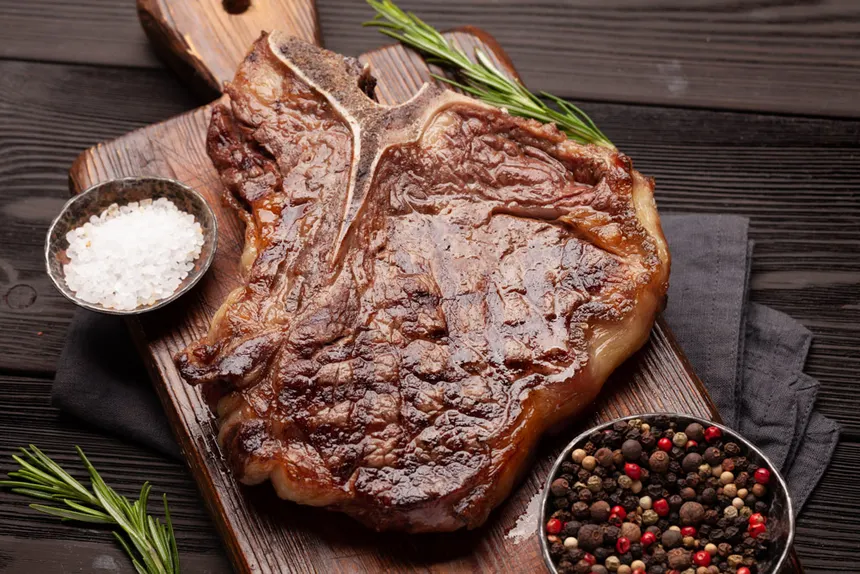
Different parts of the animal produce different textures, levels of marbling, and amounts of connective tissue. Tender steaks favour hot, fast cooking. Hard-working roasts and brisket need time. Lean round cuts benefit from careful temperature control and thin slicing.
Quick cooking guide
| Cut | Character | Best approach |
|---|---|---|
| Rib steak | Rich and well marbled | Grill or cast iron |
| Porterhouse | Strip and tenderloin on one bone | Two-zone grill |
| T-bone | Beefy strip with a smaller tenderloin section | Grill, then finish indirectly |
| Sirloin | Lean, tender, and versatile | Grill or skillet |
| Sirloin tip steak | Lean with a firmer bite | Marinate, sear, slice thin |
| Outside round steak | Lean and robust | Tenderize, marinate, or braise |
| Blade or short rib roast | Rich with connective tissue | Slow braise |
| Eye of round roast | Very lean and sliceable | Gentle roasting |
| Brisket | Deep flavour and firm connective tissue | Low and slow |
| Ground, stew beef, soup bones | Flexible everyday cuts | Brown, braise, or simmer |
The steaks
Rib steaks
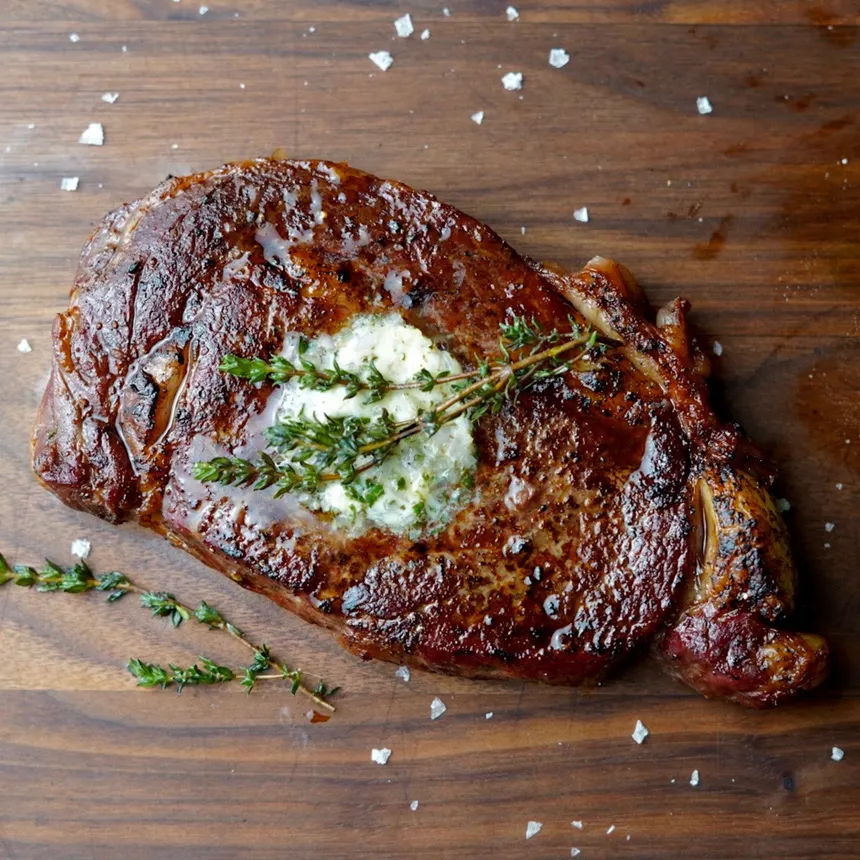
Rib steak comes from the rib section and carries generous marbling. That intramuscular fat gives it a rich flavour and helps it stay juicy over high heat. Sear it in cast iron or grill it, then use a thermometer and allow a proper rest before slicing.
Porterhouse steaks
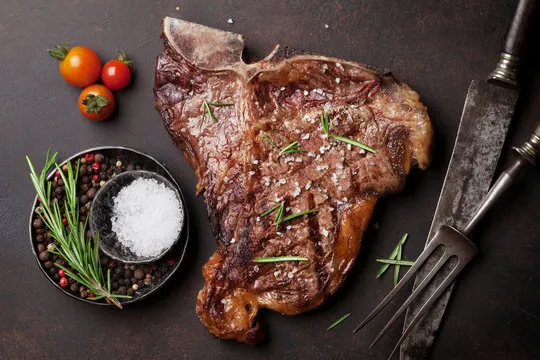
A porterhouse contains strip steak on one side of the T-shaped bone and a substantial tenderloin portion on the other. Because the tenderloin cooks faster than the strip, use a two-zone grill or position the tenderloin farther from the strongest heat.
T-bone steaks
T-bone has the same basic structure as porterhouse but a smaller tenderloin section. Start over direct heat for colour, then move to indirect heat to bring the centre to the desired doneness without burning the exterior.
Sirloin steaks
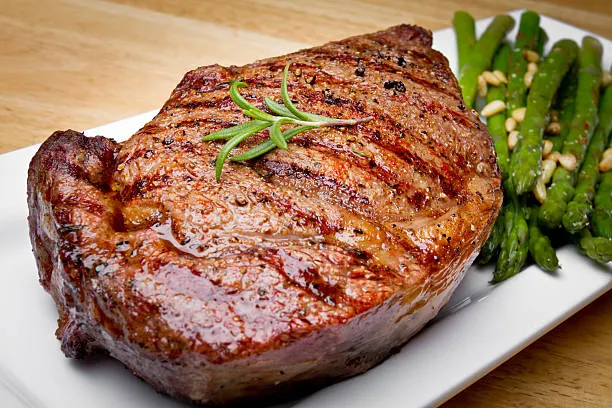
Sirloin delivers strong beef flavour with less marbling than rib steak. It works well on the grill or in a heavy skillet. Avoid pushing it too far past your target temperature, rest it, and slice across the grain when serving.
Sirloin tip steaks
Sirloin tip is leaner and comes from a hard-working area, so it has a firmer texture. A marinade adds flavour and helps the surface stay moist. Cook quickly over high heat, keep the centre from overcooking, and slice thinly across the grain.
Outside round steaks
Outside round is lean, flavourful, and naturally firmer than loin or rib cuts. BTC Beef now portions this cut into more steaks rather than offering it as a steak roast. Tenderize or marinate before quick cooking, or braise it slowly in a covered dish when you want a softer result.
The roasts
Blade roasts
Blade roast comes from the shoulder, an area with plenty of beef flavour and connective tissue. Brown it thoroughly, add a modest amount of liquid, cover, and cook slowly until a fork meets little resistance. This is classic pot-roast territory.
Short rib roast
Short rib roast is rich and suited to slow cooking. Searing builds a browned exterior; a long covered braise gives the connective tissue time to soften and enrich the cooking liquid. Let the roast rest in or near its juices before serving.
Eye of round roast
Eye of round is very lean and uniform in shape. It does not have the marbling of a blade roast, so treat it differently: roast gently, track the internal temperature closely, rest well, and slice very thin across the grain. It is particularly useful for roast-beef sandwiches.
Brisket
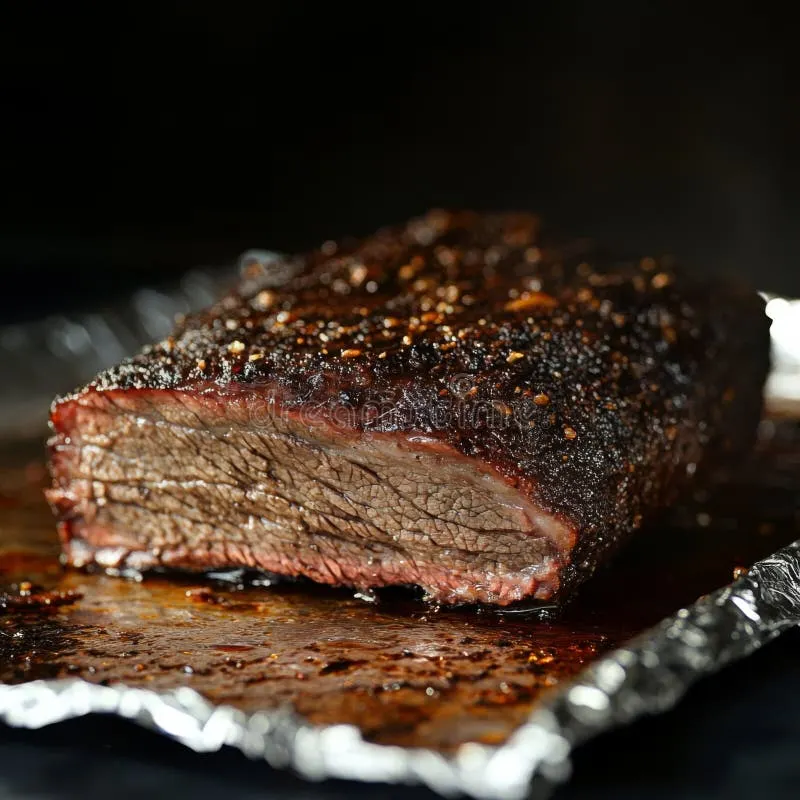
Brisket comes from the breast and supports a great deal of the animal’s weight. Its structure needs time to relax. Cook it low and slow by smoking, braising, or covered roasting. Brisket should be judged by tenderness rather than the clock alone, then rested and sliced across the grain.
Everyday and slow-cooking cuts
Ground beef
Ground beef is the most flexible cut in the freezer. Use it for burgers, meatballs, chilli, tacos, cottage pie, pasta sauce, and quick skillet meals. Brown in batches when a recipe calls for a larger quantity so the meat sears instead of steaming.
Stew beef
BTC Beef stew beef is cut into small chunks for braising. Dry the pieces, brown them in batches, then simmer gently with stock and aromatics until tender. The same format works for classic stew, beef barley soup, curry, or a slow-cooked pie filling.
Soup bones
Soup bones build stock with body and beef flavour. Roast them first for a deeper colour, then cover with water and simmer gently with onion, carrot, celery, and herbs. Strain the finished stock and use it for soup, gravy, braises, or pan sauces.
Use a thermometer, then use the right finish
For steaks and lean roasts, temperature gives you more control than timing alone. Pull the cut close to your target, allow for carryover heat, and rest before slicing. An overcooked steak is never a good time, and thin slicing across the grain can make a noticeable difference on leaner cuts.
Ready to cook? Browse the BTC Beef recipes for steak, roast, stew, and ground-beef ideas.